












































RAM Memory in the Digital Dental Workflow: Beyond the Basics
📊 Quick Technical Summary
RAM memory is the essential component for performance in digital dentistry, allowing 3D modeling software and scanner image processing to operate without bottlenecks. RAM capacities of 16GB, 32GB, or 64GB directly impact processing speed and multitasking capability, ensuring efficiency in the clinic and laboratory.
- Main Function: Temporary storage of data from running software
- Impact: More RAM = more simultaneous programs and files
- Recommendation: Minimum of 16GB for basic digital workflow
- Benefit: Speed and efficiency in information processing
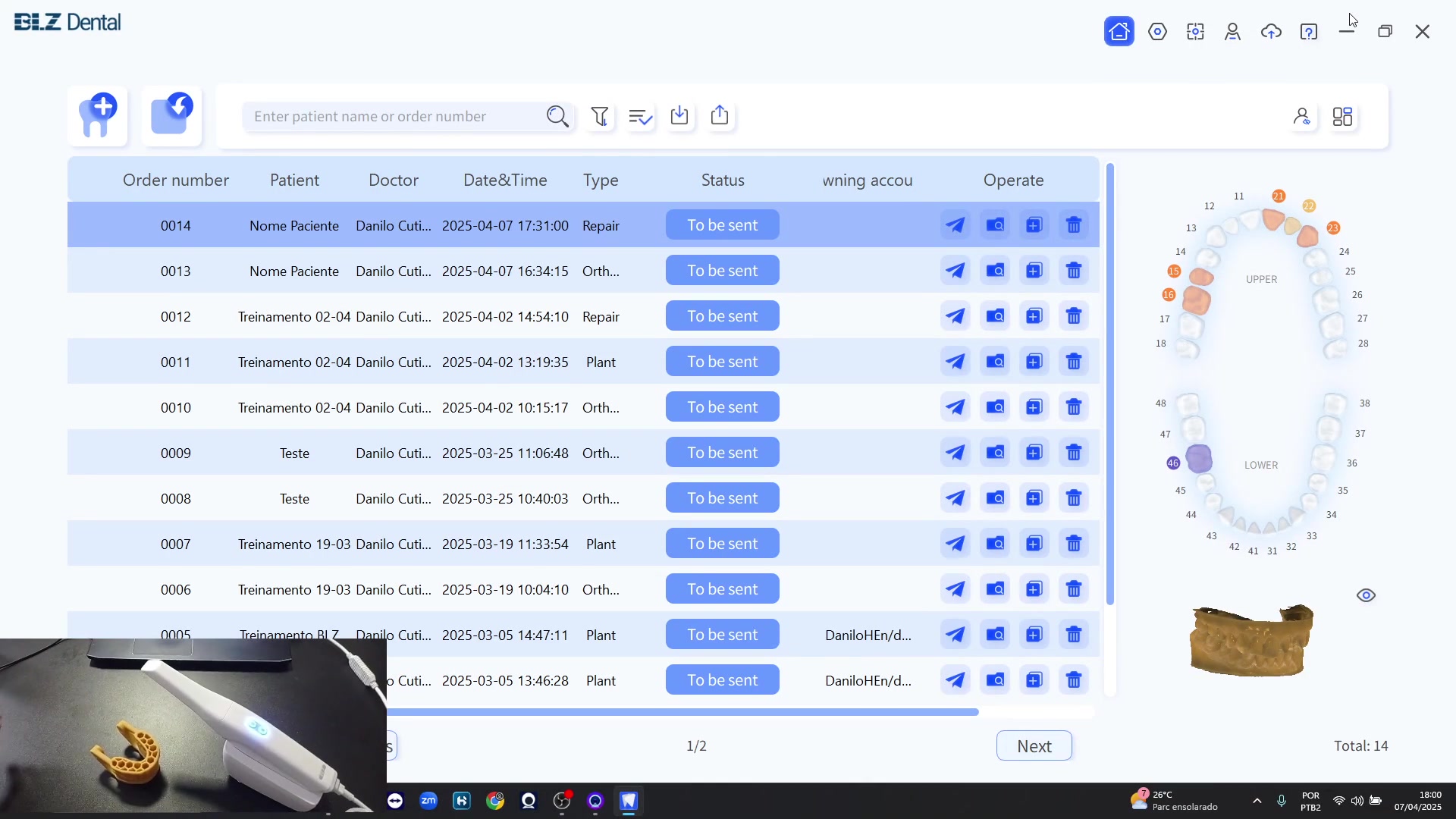
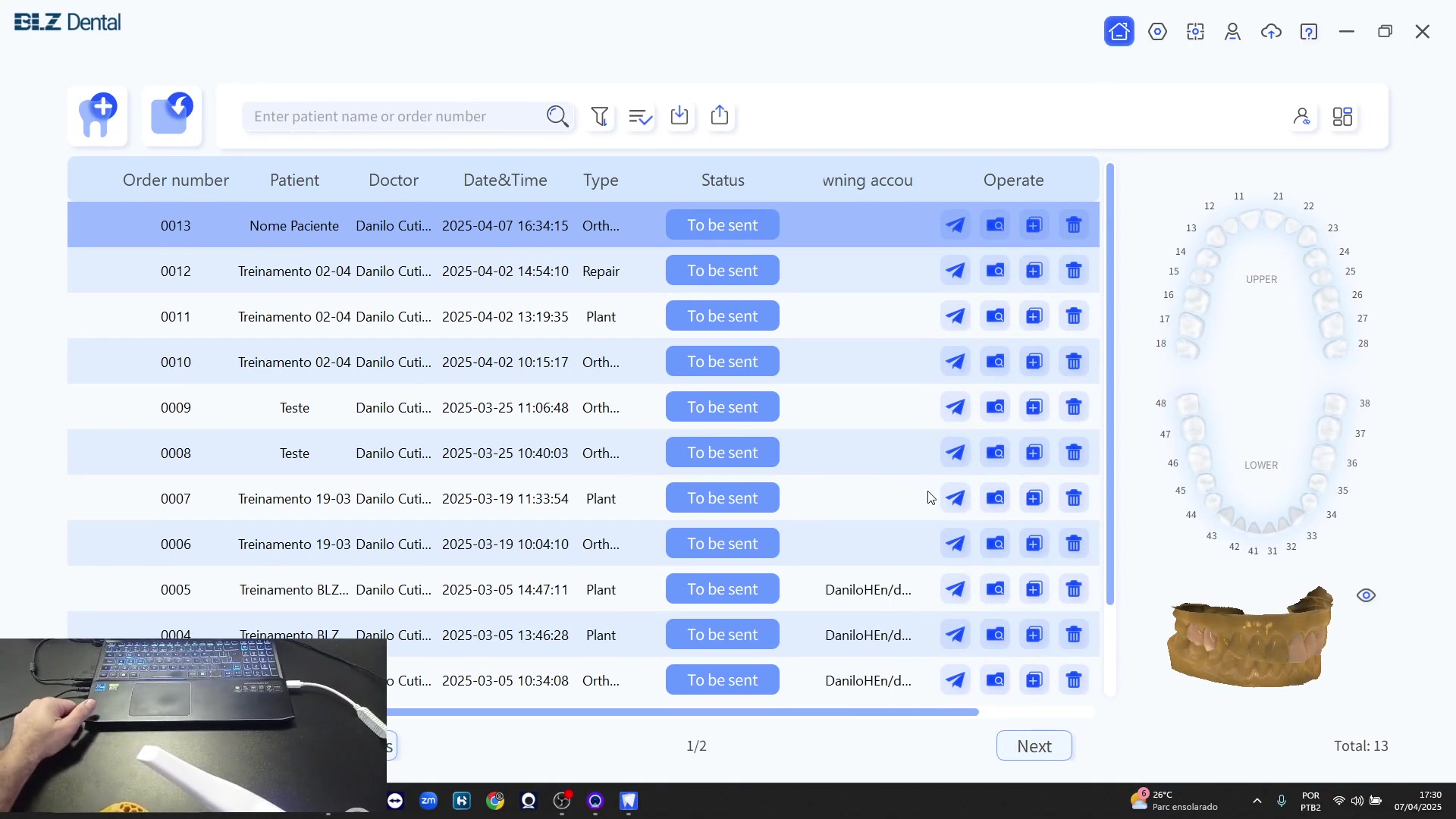
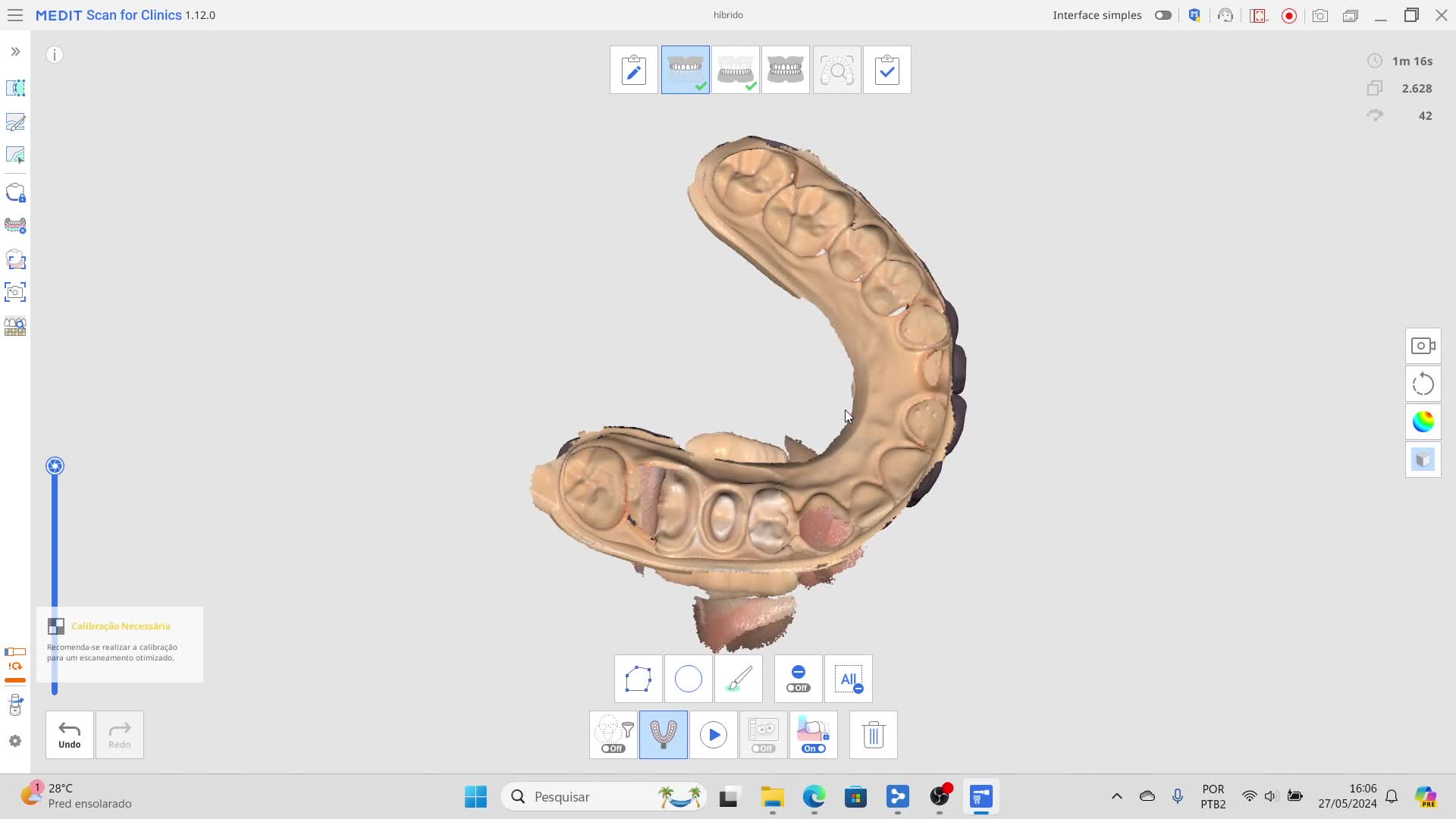
The daily routine in the clinic or dental laboratories increasingly demands agility. Complex projects, multiple software programs open simultaneously, and the need to deliver precise results within tight deadlines are the reality. It's not uncommon to encounter software crashes, slow processing of 3D printing images, or the feeling that the equipment cannot keep up with your demands. This generates silent frustration, a hidden cost of time and productivity that few quantify.
The Reality of Digital Processing
It is a truth that, to delve into the digital workflow, high-performance equipment is not a luxury, but a necessity. But what exactly does “high performance” mean? It's not just about the most expensive processor or the most powerful graphics card. There is a component that acts as your workbench, a vital space for the temporary organization of all digital data and instruments, and that component is RAM memory.
Think of RAM as the physical space where you organize all materials and tools for a complex procedure. The larger and more organized this table, the easier it is to access what you need without interruption. In the digital context, RAM temporarily stores data from software that is in full operation, from the scanning program to the 3D modeling software.
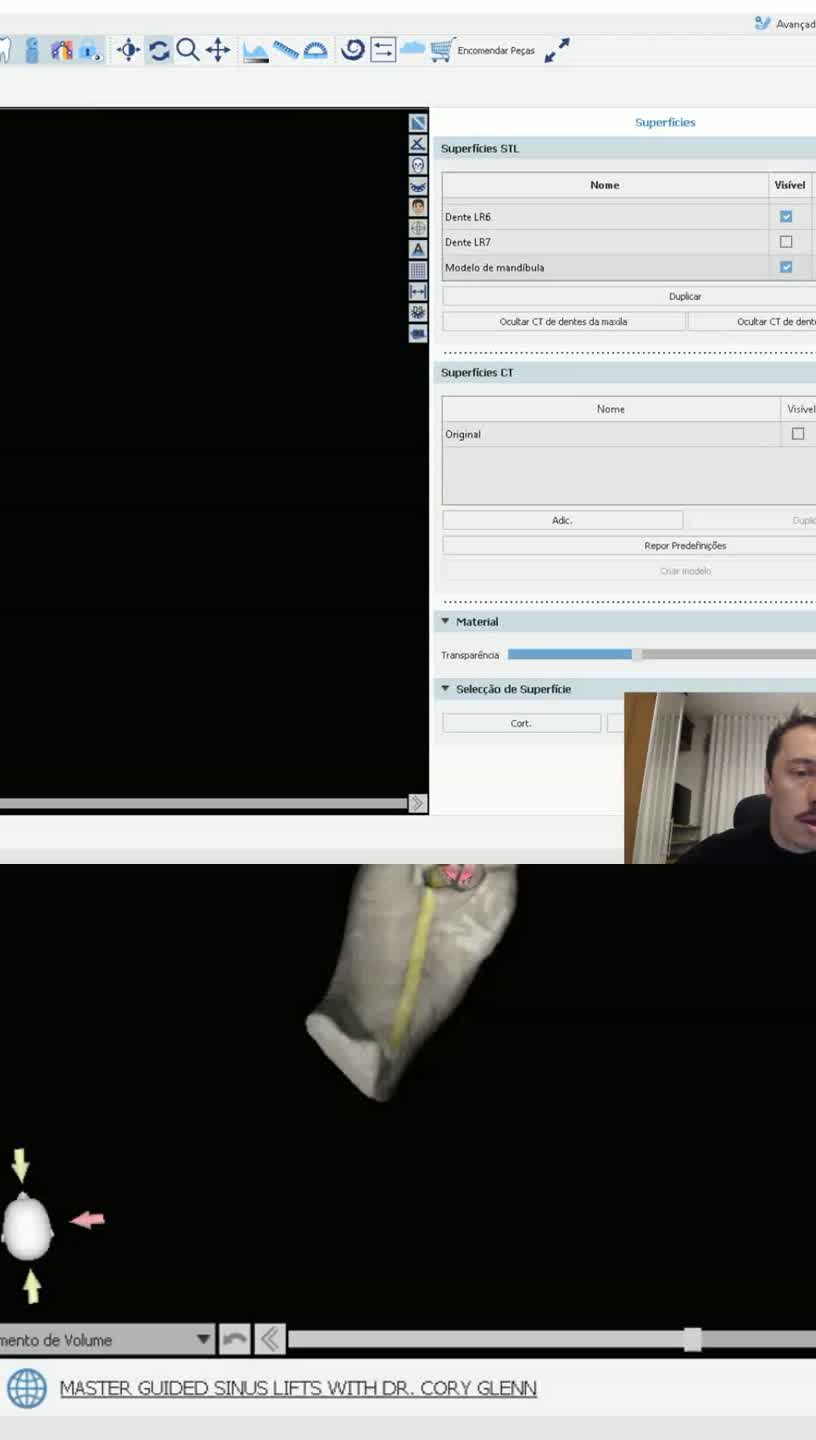
It is undeniable that the more RAM your laptop has, the more files and programs can be accessed simultaneously. This seamless multitasking capability is crucial when, for example, you are analyzing an intraoral scan, designing a surgical guide, and at the same time, checking an urgent email or accessing a scientific article. The interruption caused by a slow system is not just an inconvenience; it is lost clinic time, it is potential rework.
Direct Impact on Your Productivity
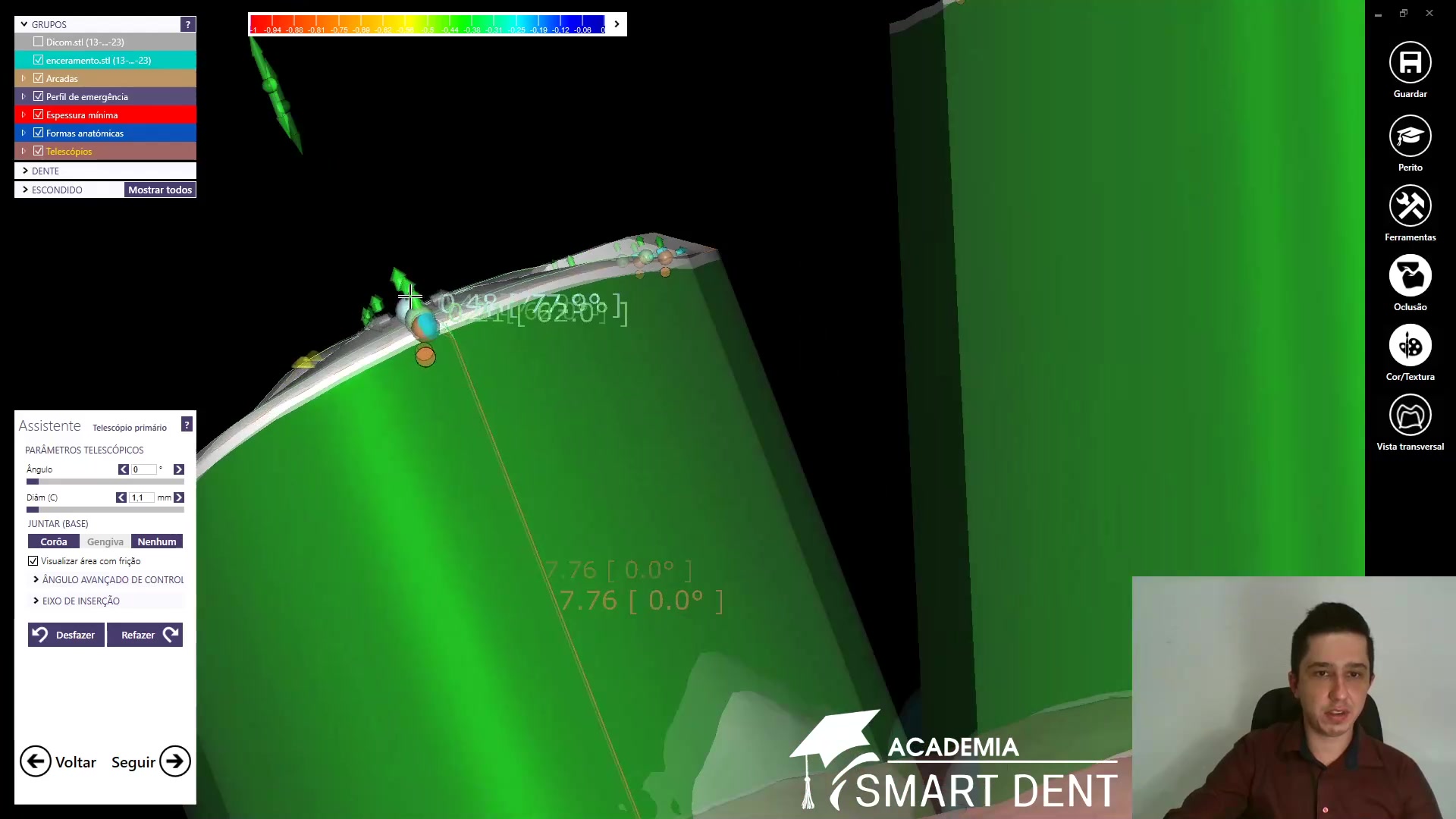
When working with dental software that requires high graphical processing – such as those dealing with high-resolution scanner images or 3D modeling for 3D printing – RAM memory capacity becomes even more critical. The higher the capacity, the faster the reading and processing of information. This translates into less time waiting for the software to load or render a model, and more time dedicated to the patient or case planning.
Having a laptop with 16GB, 32GB, or even 64GB of RAM is not an exaggeration for those looking to optimize the digital workflow. This superior capacity translates into robust performance to handle complex tasks and demanding multitasking, an increasingly common scenario in modern digital dentistry. It is the difference between a fluid workflow and a process full of interruptions.
The Conscious Choice: RAM Memory and Resin Solutions
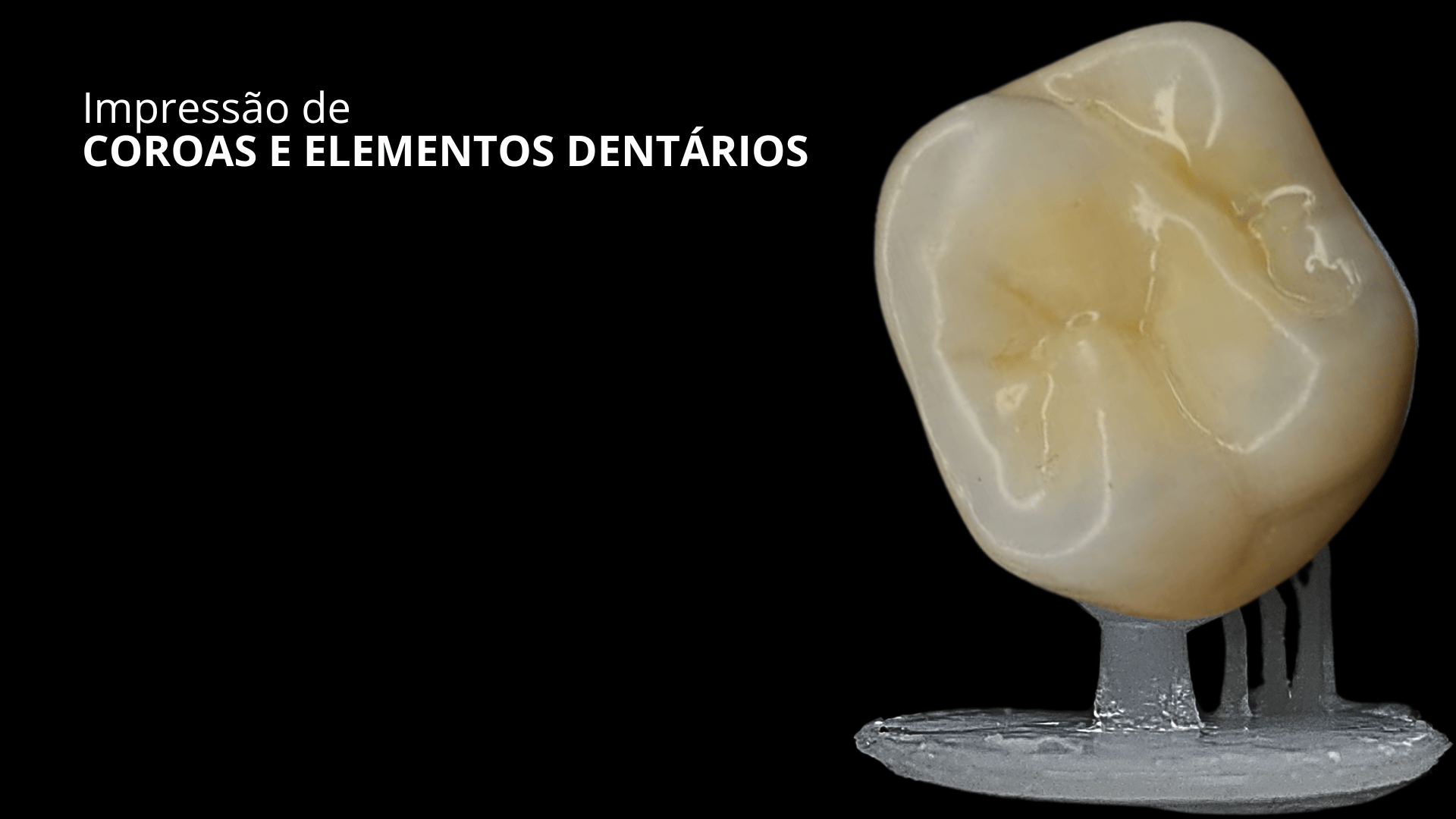
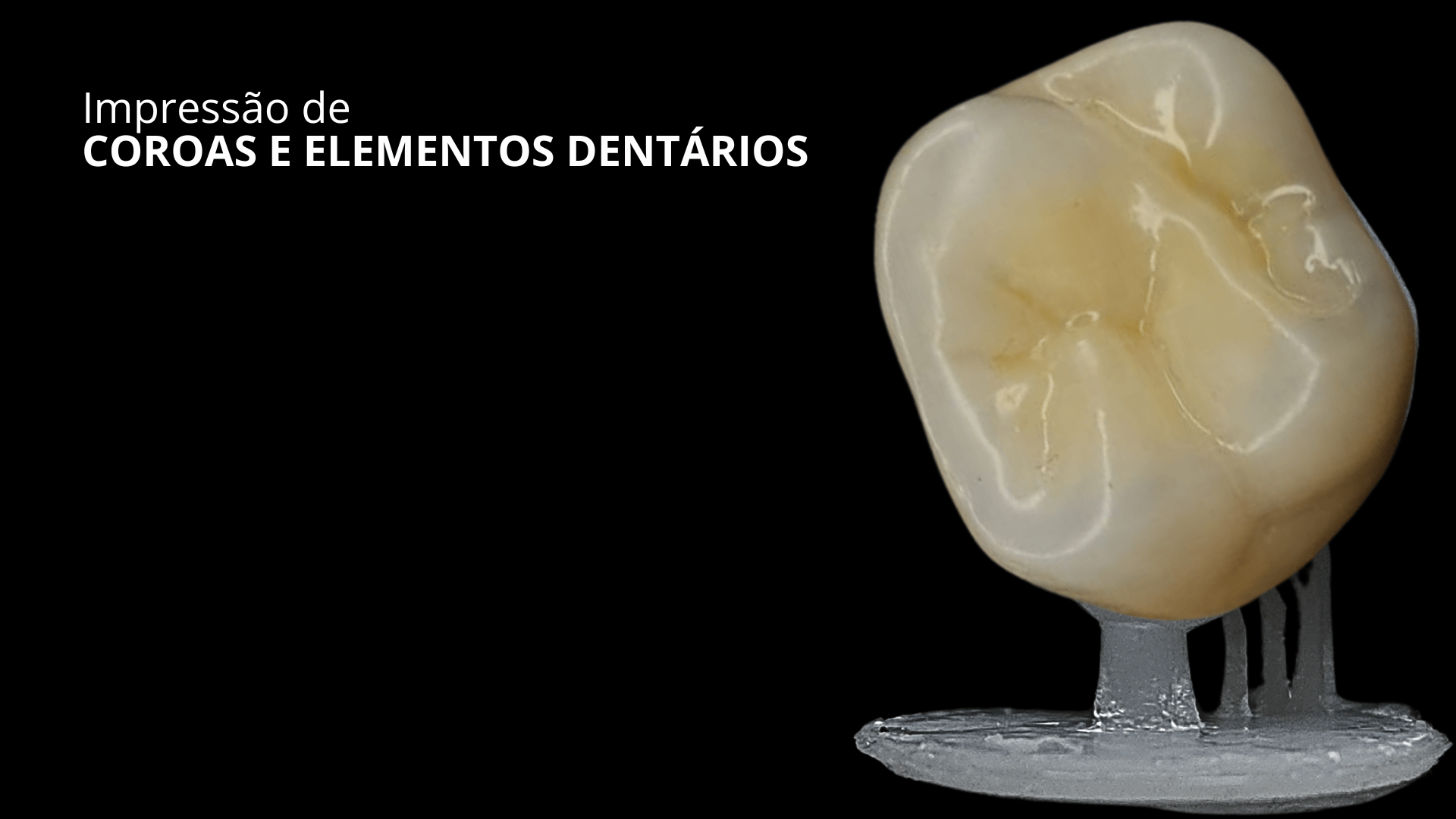
Optimizing the digital workflow is not limited to hardware alone. The choice of high-performance materials, such as Smart Print Bio Vitality 3D Resin, complements robust equipment. This resin is an example of how advanced material technology, with its nanotechnology and proven biocompatibility, meets the demands of long-lasting dental restorations. It is the only nano-hybrid resin in Brazil with over 5 years of successful clinical cases, using a nano-hybrid blend of particles ranging from 0.7 μm to 5 nm.
Bio Vitality's advanced inorganic matrix combines micrometric particles for toughness and fracture resistance with nanoparticles that ensure reduced abrasion, surface smoothness, and exceptional optical stability. Its high-efficiency photoinitiator system (Vitality) for UV light (405 nm) allows precise layer-by-layer curing, minimizing risks of overcuring or failures. Color stability (Shade A2) and fluorescence similar to natural dentin are crucial for impeccable aesthetic results in definitive crowns, veneers, and implant protocols. Learn more about Smart Print Bio Vitality 3D Resin.
Vitality Classic or Vitality HT: Which to choose?
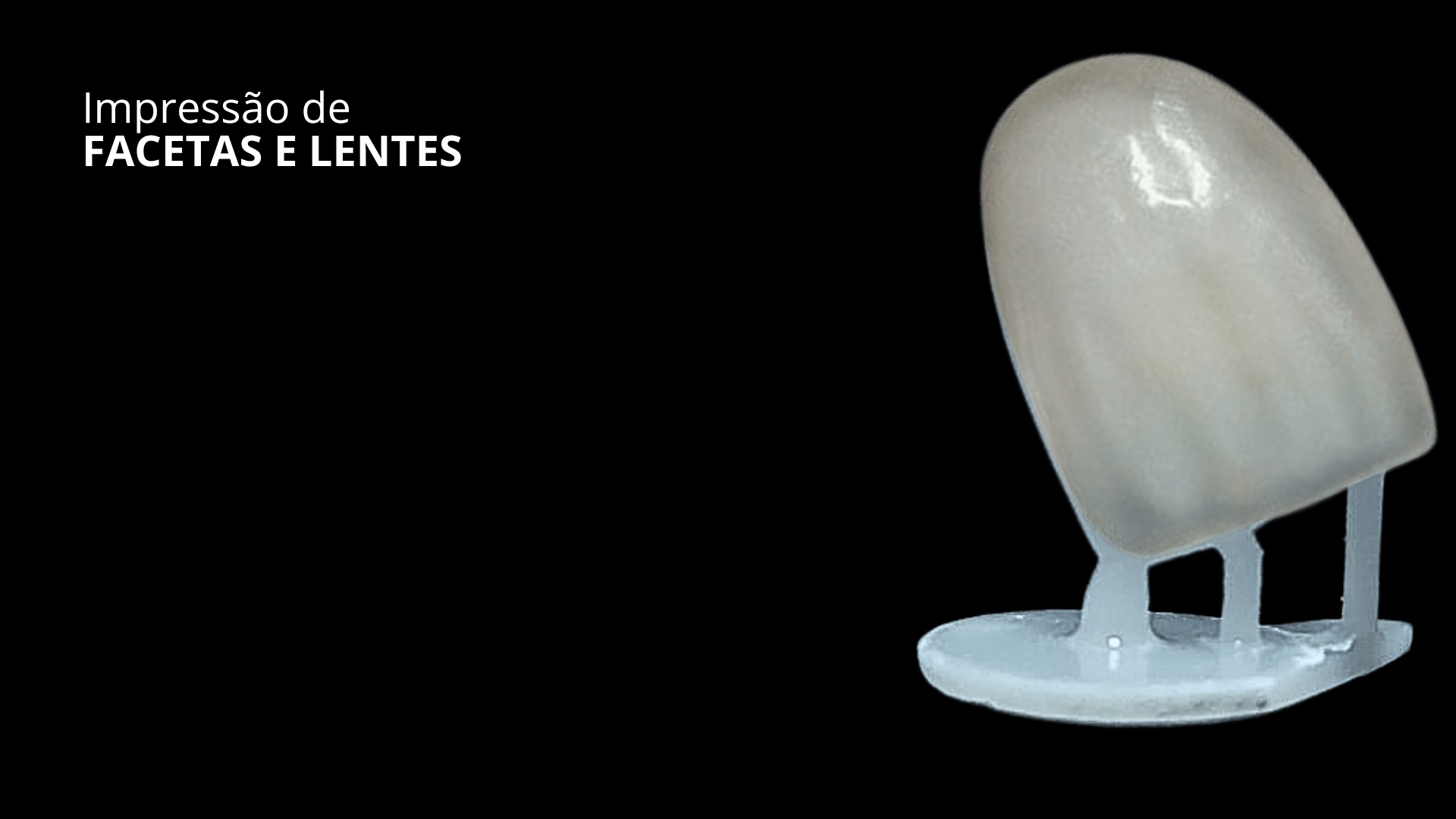
The decision between Vitality Classic and Vitality HT is not about resistance, but about optical control. Both offer the same strength and durability. For cases with challenging substrates, Vitality Classic, with 35% translucency, neutralizes darkened backgrounds, ideal for extensive rehabilitations and endodontically treated teeth. For maximum aesthetics and mimicry, Vitality HT (45% translucency) mimics natural enamel, perfect for thin laminates and veneers, provided the substrate is favorable.
The choice of a good 3D resin is as important as your equipment's processing capability. Efficiency in 3D printing models, surgical guides, or trial models, for example, depends on the synergy between powerful hardware and quality material, such as Smart Print Model Plus 3D Resin. This high-precision resin is ideal for dental models, offering excellent cost-benefit and compatibility with LCD and DLP printers.
For post-processing, professional post-curing stations like the Asiga Cure or the ShapeCure D are indispensable. The Asiga Cure, for example, offers a fast and precise curing cycle, with infrared heating and automatic calibration, ensuring optimized mechanical properties for printed parts. The ShapeCure D is a robust option for UV curing with a range of 365/385/405 nm, essential for complete resin polymerization.
✅ Conclusion and Expert Opinion
The decision to invest in a laptop with adequate RAM memory, combined with the choice of cutting-edge dental resins and efficient post-curing equipment, is a fundamental step to ensure predictability and quality in the results of digital dentistry. It is not about following trends, but about building a robust and reliable workflow that minimizes rework and maximizes patient satisfaction.
It is clarity, it is investment security and predictable financial return.
The professional who understands the importance of each component of their workflow, from hardware to the final material, is the one who makes safe and conscious decisions, ensuring the best for their practice and for their patients. Technology is a tool; mastery in using it lies in understanding its fundamentals.
About the author
Equipe Smart Dent
Odontologia Digital
Spin-off universitária da EESC/USP São Carlos fundada em 2009 por Dr. Marcelo Del Guerra (PhD Eng./USP, FAPESP ID 1694) e Marcelo Cestari (1.343 citações Google Scholar) no NUMA/USP. Pioneira em resinas 3D odontológicas no Brasil e nos EUA. FDA Classe II nº 3027526455 · ANVISA. Wikidata: Q139535514.